
TSH and fatigue: when thyroid context becomes relevant
When TSH may matter in fatigue and exhaustion – and why thyroid values are only one explanatory axis within a broader symptom picture.
Short answer
TSH can be a useful starting point in fatigue when thyroid regulation may be part of the picture.
A single TSH value, however, does not automatically explain exertion-related worsening, brain fog, or broader multisystem patterns.
The more daily instability, PEM, or reduced capacity dominate, the more important broader symptom context becomes.
TSH is one of the most common lab questions in low energy, cold intolerance, weight change, or sluggish recovery. The marker matters, but it is often turned into a total explanation too quickly.
Key points
TSH reflects one hormonal axis, not the full fatigue pattern.
Thyroid context can matter without replacing symptom and course interpretation.
Normal isolated values do not rule out complex exertion-related patterns.
Pacing and PEM context remain important in unstable capacity.
Editorial responsibility
Elara Health
Patient-centered health information
Last updated
September 13, 2026
Questionnaires that complement fatigue-related lab questions
When lab values alone do not explain the picture, structured symptom capture often adds the missing context.
ME/CFS symptom check
Useful when fatigue, PEM, sleep problems, and cognitive symptoms appear together.
Fibromyalgia symptom check
Helpful when fatigue is paired with widespread pain, poor sleep, and symptom severity patterns.
Questionnaire overview
See all available assessments if the symptom picture is still unclear.
Why TSH is searched so often in fatigue
TSH is a familiar thyroid marker and is often considered early when low energy, cold intolerance, weight shifts, or general slowing dominate.
That makes it a common search term even when the underlying question is broader than thyroid regulation alone.
What TSH can contribute and where the limit is
TSH can help identify or frame an endocrine layer in the symptom picture, especially when the complaints fit thyroid-related regulation.
Still, one TSH value does not automatically explain delayed worsening after exertion, unstable daily function, or a complex fatigue pattern.
relevant in energy and regulation questions
not identical to the full exhaustion picture
should always be interpreted with symptoms and course
When more than thyroid logic is needed
If symptoms persist despite interpreting thyroid values, or activity leads to disproportionate worsening, the picture usually needs more layers of explanation.
At that point, ME/CFS, PEM, or pacing-related questions often become more useful than hoping TSH alone explains everything.
More context
More detail when you need it.
Medication and lab values can sit beside the rest of your history without crowding the pacing flow.
.png&w=1920&q=85)
.png&w=1920&q=85)
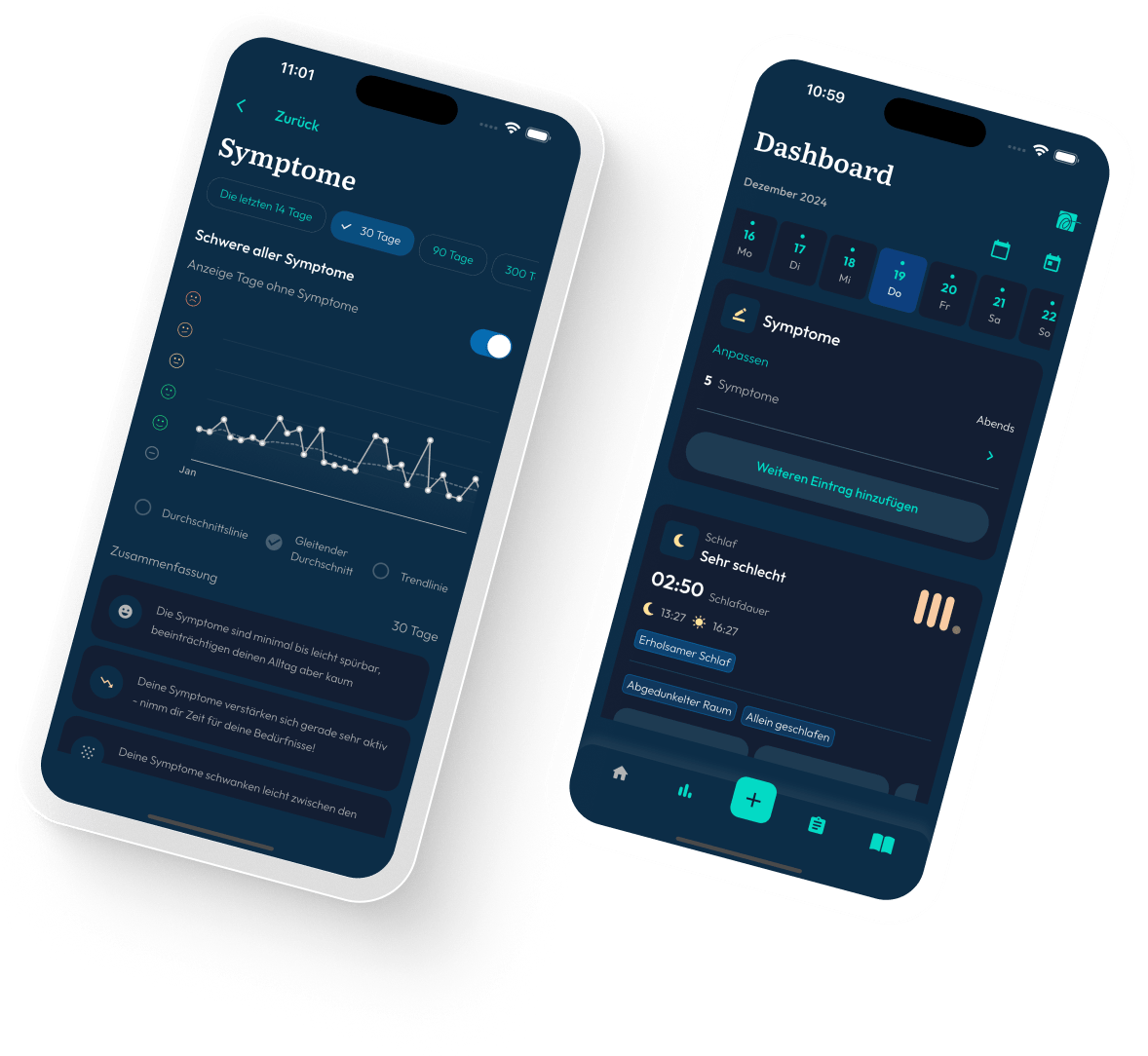
Make fatigue patterns visible
Document symptoms, energy, and possible triggers and see connections develop over time.
FAQ
Can TSH fully explain fatigue?
Not automatically. TSH can provide an important clue, but it often does not fully explain complex, exertion-related, or persistent complaints.
Why is TSH such a common search term in low energy?
Because thyroid regulation is strongly associated with energy, cold intolerance, weight, and general activation. That makes TSH a common entry point.
What if TSH is normal but the exhaustion remains?
Then interpretation usually needs to widen toward other markers, symptom course, PEM, pacing, or broader ME/CFS context.
Editorial standards
The linked guidelines and institutional resources explain the medical background. Editorial responsibility and any documented medical review are identified separately.
Medical background: 2 sources
Educational context – not a substitute for medical diagnosis
Links to related knowledge, questionnaires, and methodology
Guidelines and medical background
Related content
Lab values in chronic fatigue
The overview of ferritin, B12, TSH, CRP, and other common markers.
Pacing in ME/CFS
When day-to-day regulation matters more than one isolated value.
What is PEM?
When worsening after activity no longer fits simple hormone logic.
Fatigue hub
Related article from Elara Health.
Pacing hub
Related article from Elara Health.