
Pacing in ME/CFS: daily life, limits, and recovery
Pacing in ME/CFS and PEM: how to adapt activity and recovery to changing capacity, use tracking without over-relying on it, and avoid automatic activity progression.
Short answer
Pacing means adapting activity and recovery to current capacity rather than to external expectations or a fixed progression target.
Because PEM can be delayed, it can be useful to review physical, cognitive, emotional, and social exertion across more than the immediate moment.
Tracking can make personal patterns easier to review, but it cannot reliably predict whether a specific activity is safe or whether PEM will occur.
Pacing is an individualized way to balance activity and recovery when capacity fluctuates. The aim is to make day-to-day demands more manageable without treating one score, wearable value, or diary pattern as a guarantee that PEM can be prevented.
Key points
Pacing is individualized load management, not automatic activity progression.
Capacity can change from day to day, so rigid universal limits are a poor fit.
Rest, symptoms, perceived exertion, and non-physical demands matter alongside activity.
Wearables and diary data can add context, but they are not a validated PEM early-warning system.
Editorial responsibility
Elara Health
Patient-centered health information
Last updated
September 16, 2026
Self-tests and pacing tools
PEM and pacing become more actionable when symptom burden and function are captured in a structured way.
ME/CFS symptom check
Useful when delayed worsening after activity raises the question of ME/CFS-oriented symptom structure.
FUNCAP-27 questionnaire
Best when daily limitation, recovery instability, and functional burden should be documented.
Compare pacing apps
Find out which apps offer symptom tracking, wearable integration, and pacing support.
What pacing means in practice
Pacing is not about avoiding all activity. It means adjusting activity, rest, and buffer time to the person’s current capacity and symptom response instead of following a universal target.
With delayed post-exertional worsening, the effect of an activity may only become clear later. That is why pacing often relies on reviewing the broader trajectory rather than judging a day from one moment or metric.
Tracking can support pacing without predicting PEM
A simple diary can place symptoms, exertion, rest, sleep, and recovery on one timeline. Wearables can add heart rate, activity, sleep, or other context with less manual logging.
Those data can help with retrospective pattern review, but they should not be used as a medical green light. No single step count, heart-rate value, HRV threshold, or Elara score defines a universally safe exertion limit.
Include physical, cognitive, emotional, and social demands
Plan rest and buffer time proactively when useful
Review delayed symptom changes alongside previous activity
Treat tracking as context, not as a prediction or safety guarantee
More context
More detail when you need it.
Medication and lab values can sit beside the rest of your history without crowding the pacing flow.
.png&w=1920&q=85)
.png&w=1920&q=85)
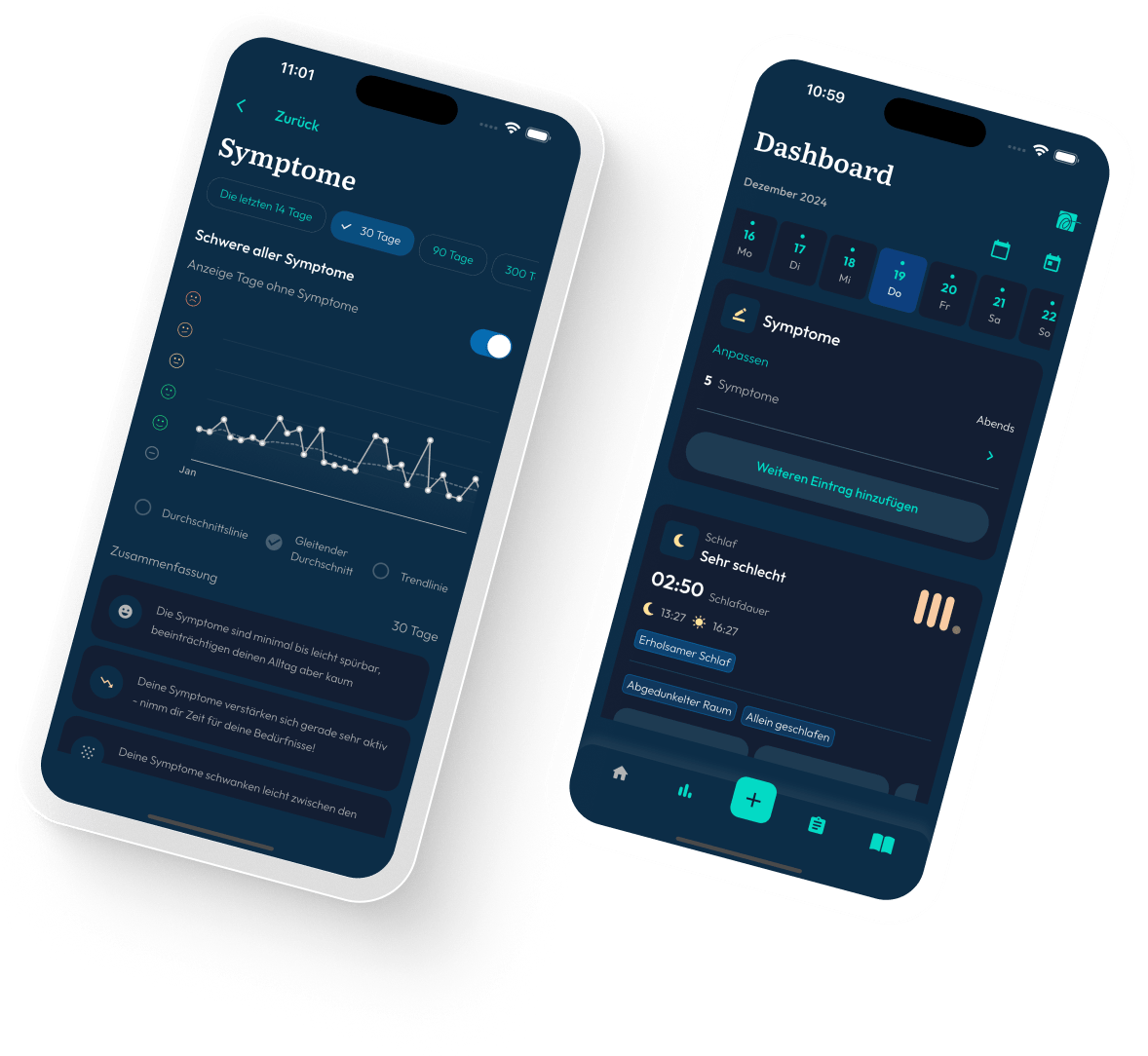
Put pacing into practice with the Elara app
Capture exertion, recovery, and personal signals in a pacing diary and put changes over time into context.
Common questions about pacing
Is pacing just resting more?
No. Pacing is about balancing activity, rest, and recovery around current individual capacity. Depending on the day, that can mean doing less, splitting tasks, adding breaks, or changing the type of demand.
Can pacing prevent PEM?
Pacing is used to reduce overexertion and stay closer to individual limits, but it cannot guarantee that PEM will not occur. Capacity and triggers can vary, and delayed worsening is not perfectly predictable.
Do I need wearables for pacing?
No. Wearables can add context, but symptoms, perceived exertion, rest, and a simple activity record can already support personal review. Wearable metrics are not required and are not a reliable PEM prediction on their own.
Editorial standards
The linked guidelines and institutional resources explain the medical background. Editorial responsibility and any documented medical review are identified separately.
Medical background: 2 sources
Educational context – not a substitute for medical diagnosis
Links to related knowledge, questionnaires, and methodology
Guidelines and medical background
Recommended next pages
Pacing in ME/CFS
Why pacing matters especially in the context of PEM.
How to start pacing in daily life
Practical first steps for planning, buffer time, and limits.
Common pacing mistakes
Which patterns often undermine stability again.
How tracking helps with pacing
Which data really helps and how to spot patterns without creating overload.
Heart-rate pacing in ME/CFS
How heart-rate data can become useful without taking over daily life.
What is ME/CFS?
Why pacing makes more sense when PEM and exertion response are understood first.
What is PEM?
Related article from Elara Health.
Energy Envelope whitepaper
Related article from Elara Health.
Elara methodology
Related article from Elara Health.