
How to start pacing in daily life
Pacing has to work in real life, not just in theory. How to start with small steps, buffer time, and realistic rules.
Short answer
A good pacing start does not require a complex system. It usually starts with less friction in daily life.
Smaller units, real buffer time between tasks, and honest observation of the following days are often the best first steps.
Pacing becomes more sustainable when it fits into routines rather than creating extra burden.
The start of pacing often fails not because of low motivation, but because expectations are too big. A workable beginning is usually simpler, more concrete, and less perfect than people imagine.
Useful first steps
Make daily plans smaller and looser.
Leave real buffer time between tasks.
Count cognitive and sensory load too.
Watch not only today, but also tomorrow and the day after.
Editorial responsibility
Elara Health
Patient-centered health information
Last updated
September 13, 2026
Self-tests and pacing tools
PEM and pacing become more actionable when symptom burden and function are captured in a structured way.
ME/CFS symptom check
Useful when delayed worsening after activity raises the question of ME/CFS-oriented symptom structure.
FUNCAP-27 questionnaire
Best when daily limitation, recovery instability, and functional burden should be documented.
Compare pacing apps
Find out which apps offer symptom tracking, wearable integration, and pacing support.
Start with less complexity
Many people begin with too many rules, tables, or rigid goals. That can become an added burden in itself.
A lighter start often works better: fewer commitments per day, more deliberate pauses, and a short note on how the next day actually felt.
What often helps most in daily life
The most effective changes are often quite ordinary: grouping errands, separating tasks, reducing sensory load, not combining demanding conversations with physical errands, and treating breaks as real buffer time.
Pacing often grows out of these small choices rather than from one perfect master plan.
one less task per day
more transitions instead of tight scheduling
not filling breaks with other tasks
placing demanding tasks into stronger parts of the day
How you notice the start is working
A good start does not always feel dramatic. The goal is usually that weeks become a bit more predictable and the swings become less extreme.
If setbacks become slightly less frequent or slightly less severe, that is often already meaningful progress.
More context
More detail when you need it.
Medication and lab values can sit beside the rest of your history without crowding the pacing flow.
.png&w=1920&q=85)
.png&w=1920&q=85)
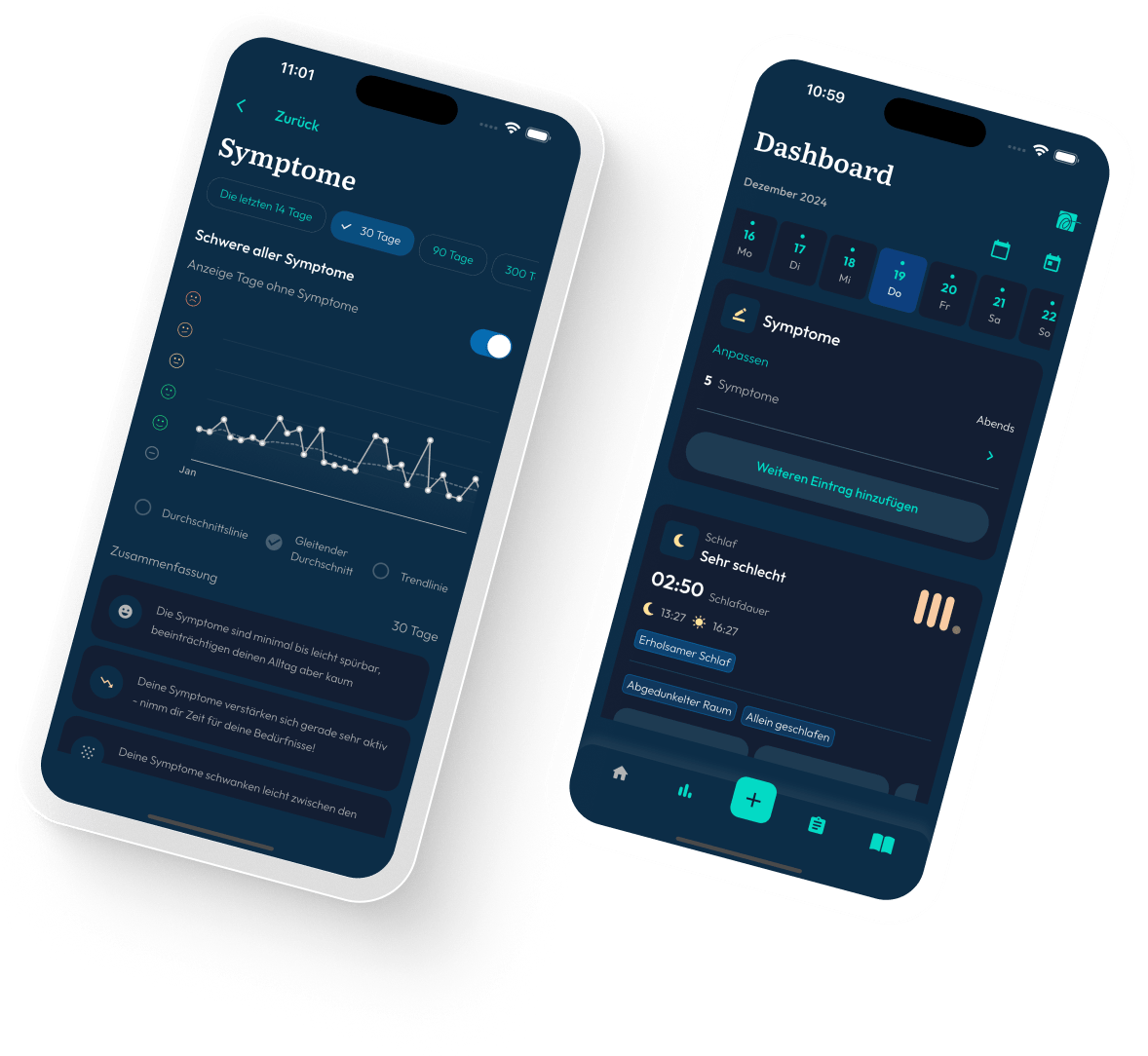
Put pacing into practice with the Elara app
Capture exertion, recovery, and personal signals in a pacing diary and put changes over time into context.
FAQ
Do I need to redesign my whole life immediately?
Not immediately. It is usually better to start with a few durable changes rather than trying to change everything at once.
How much tracking do I need at the beginning?
A simple view of exertion, symptoms, and recovery is often enough. The system should reduce pressure, not create more of it.
What if I still have setbacks?
Setbacks do not automatically mean pacing failed. Often they simply show that personal limits still need to be understood more precisely.
Editorial standards
The linked guidelines and institutional resources explain the medical background. Editorial responsibility and any documented medical review are identified separately.
Medical background: 2 sources
Educational context – not a substitute for medical diagnosis
Links to related knowledge, questionnaires, and methodology
Guidelines and medical background
Related content
Common pacing mistakes
Which starting patterns tend to create unnecessary pressure.
How tracking helps with pacing
How data can support decisions without becoming overwhelming.
How delayed can PEM be?
Why multi-day observation matters so much.
Pacing hub
Related article from Elara Health.
Pacing in ME/CFS
Related article from Elara Health.
PEM early signs
Related article from Elara Health.